How Many Coconuts for One Market Night
How night market traders size a single night's stock, why every site needs its own baseline, and how to manage ice, van space and leftover stock.

Table of Contents
Introduction
Night market traders operate in a four to five hour window. In that window, too little stock means lost sales, and too much means you carry it home again.
This guide is built for mobile traders who need to size accurately, night after night.
Sizing for a Single Night
Your Base Numbers
A night's sales come down to three things: footfall at that site, your stall position, and the weather.
First Night at a New Site
Start conservative
Carry a quantity you are confident of clearing. Selling out on night one is a small problem; carting stock home is a real loss.
Record hour by hour
Log sales every hour, not just the final total. That pattern tells you when the real peak lands at that particular site.
After Three Nights at the Same Site
Three nights gives you a baseline you can trust. Raise quantity in stages rather than all at once.
Adjust for Weather
Late afternoon rain hits footfall hard. Check the forecast before you load the van, not after.
The mobile trader's rule 🌙
Stock carried home is not just money not yet earned — it is space cost, handling cost, and quality risk for the next night. Measure success on stock cleared, not stock carried.
Every Site Behaves Differently
Residential Area Sites
Steady, predictable footfall with an early-evening peak as families come out after work. Repeat customers are the main strength of this site type.
Sites Near Commercial Centres
Higher footfall but less loyalty. Average sales are larger, but night-to-night variation is larger too.
Multi-Site Traders
Traders working Kepong, Setapak and Ampang on different nights need separate records per site. A blended average hides the pattern you need.
Do Not Apply One Site's Data to Another
This is the most common mistake when expanding. Every site needs its own baseline.
Trading at several night market sites? Share your weekly schedule for a matching delivery plan.
💬 Get Bulk QuoteTransport, Ice and Stall Space
Vehicle Capacity Is the Real Limit
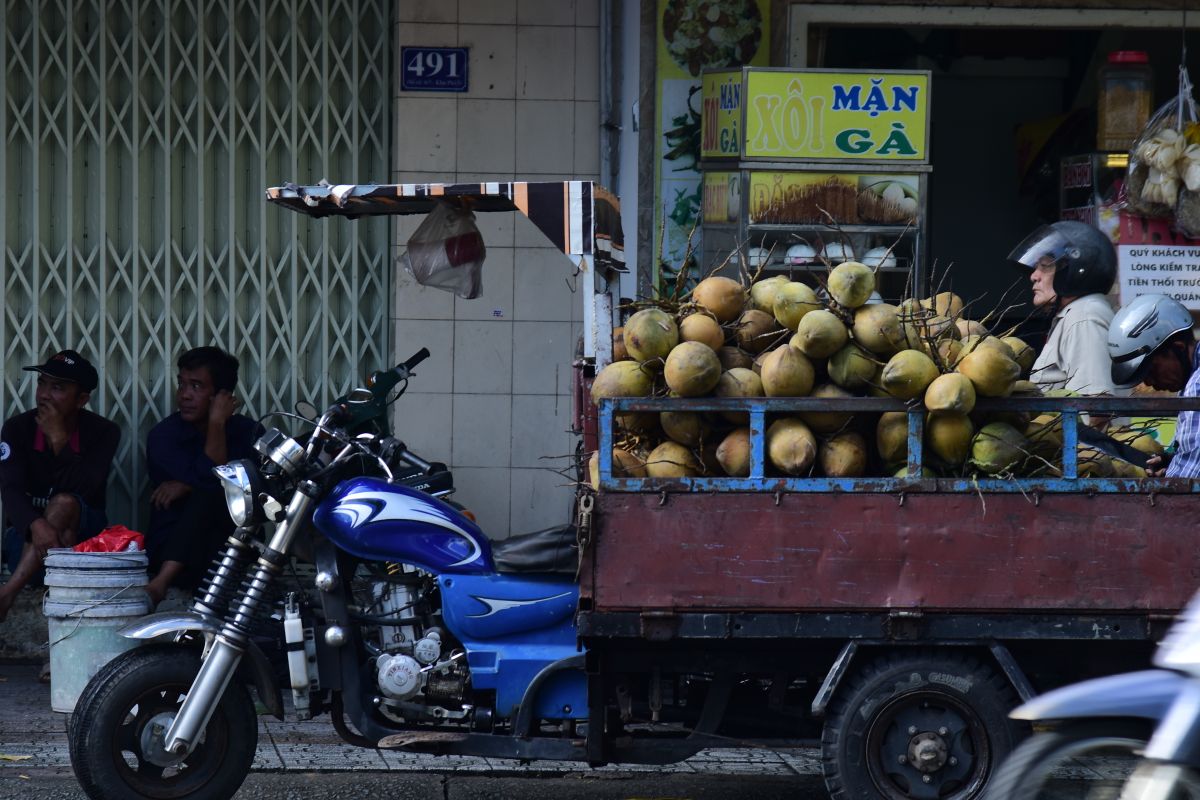
Young coconuts take up room. Measure how many actually fit alongside your stall equipment before ordering a larger quantity.
Ice Management
Chilled coconuts sell faster than room-temperature ones. Carry enough ice and plan cooler bins as part of the stall layout, not as an afterthought.
Stall Layout for Speed
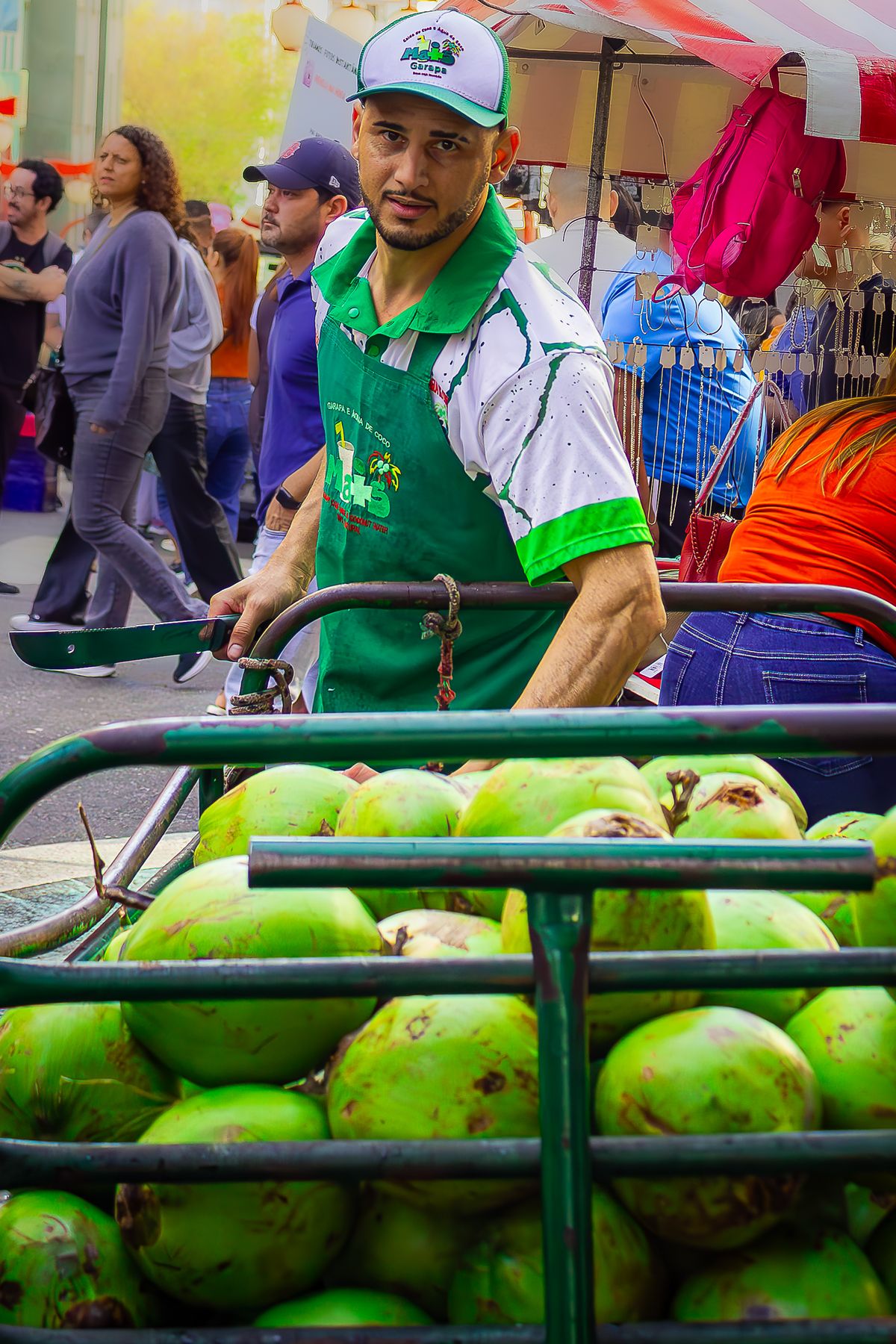
At peak, serving speed decides sales. Keep chilled stock within arm's reach and have a proper opener ready.
Shell Management
Night market sites have waste disposal rules. Bring your own waste bin — it saves time and avoids problems with site management.
Load-In and Load-Out Timing
Before the site opens
Arrive early and arrange stock before the site gets crowded. Unloading through a crowd takes twice as long and raises the risk of cracked pieces.
After the site closes
Load remaining stock first, before equipment. Stock is the time-sensitive item; equipment can wait.
Your Selling Price Has to Track Real Cost
Many traders set a selling price at the start of the year and never revisit it. As supply cost moves with the season, the margin thins without anyone noticing.
Review your price quarterly against real cost per unit sold, not cost per unit purchased.
What to Do With Leftover Stock
Store It Properly the Same Night
Leftover stock left in the van overnight loses more value than most traders assume. Move it to a cool place as soon as you get back.
Sell It at the Next Site
If you trade the following night, properly stored stock is still usable. Sell older stock first.
Change the Quantity, Not the Storage
If you regularly carry stock home, the problem is your order quantity. The full sizing method is in our order sizing guide.
Consider Coconut Water Per Litre
For traders serving in cups, coconut water per litre cuts transport space and eliminates shell waste entirely.
Frequently Asked Questions
Can I get an afternoon delivery before trading?
Delivery schedules can be aligned to your trading hours. Tell us your sites and trading nights.
Do larger coconuts sell better at a night market?
Presentation matters, but your selling price has to reflect cost. Consistent mid-size pieces usually give a better margin.
How often should I order?
Traders working three or four nights a week are usually most efficient on two deliveries a week.
What if weather ruins one night?
Store the stock properly and adjust the following week's order. One rainy night is not a reason to change your supply structure.
Conclusion
Night market trading is won on quantity accuracy. Size per site, record hour by hour, adjust for weather, and manage ice and transport space with discipline.
KelapaKaw! supplies young coconuts per piece and coconut water per litre to night market traders across Malaysia. WhatsApp us your site schedule.